


What Is a Surge Protective Device?
#Industry information ·2025-10-29 11:05:09
What Is a Surge Protective Device?
A surge protective device (Surge Protective Device, abbreviated as SPD) is a protection device used to protect electrical equipment from transient overvoltage (surge).When lightning strikes, power grid switching operations, or other transient overvoltages occur in the power system, the SPD can quickly divert the surge current into the grounding system, thereby limiting the overvoltage in the line and protecting electrical equipment from damage.
Working Principle of Surge Protective Devices:
After understanding its function, let me explain how it works.The working principle of SPD is that under normal supply voltage, the nonlinear components inside the surge protector present extremely high resistance and almost do not conduct current, so they do not interfere with the normal operation of the circuit.
However, when lightning strikes or power grid switching operations generate instantaneous high-voltage surges, the component group will instantly reduce its resistance and form a low-impedance path, quickly discharging the surge to the ground while clamping the voltage within the safe range of the equipment.After the surge disappears and the voltage returns to normal, the components automatically return to a high-resistance state and remain in a protective state again, thus completing a full protection cycle.
Types of SPD and How to Select Them:
In actual electrical lightning protection systems, since the performance parameters of Type 1 SPD and Type 2 SPD are different, suitable SPDs can be selected according to different power distribution system environments. Type 1 SPD and Type 2 SPD are also used together to form a multi-level surge protection system, which can protect electrical equipment more effectively.
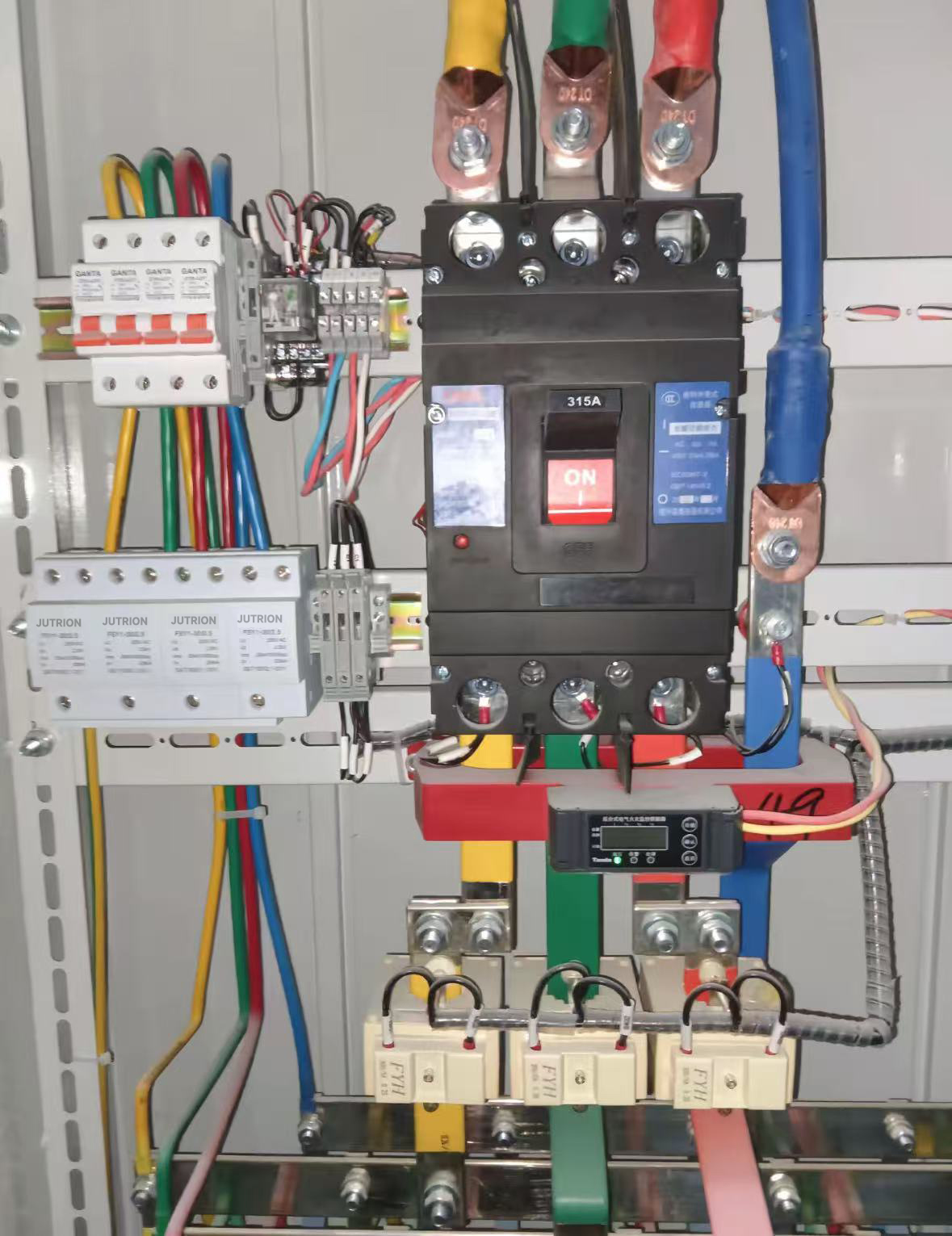
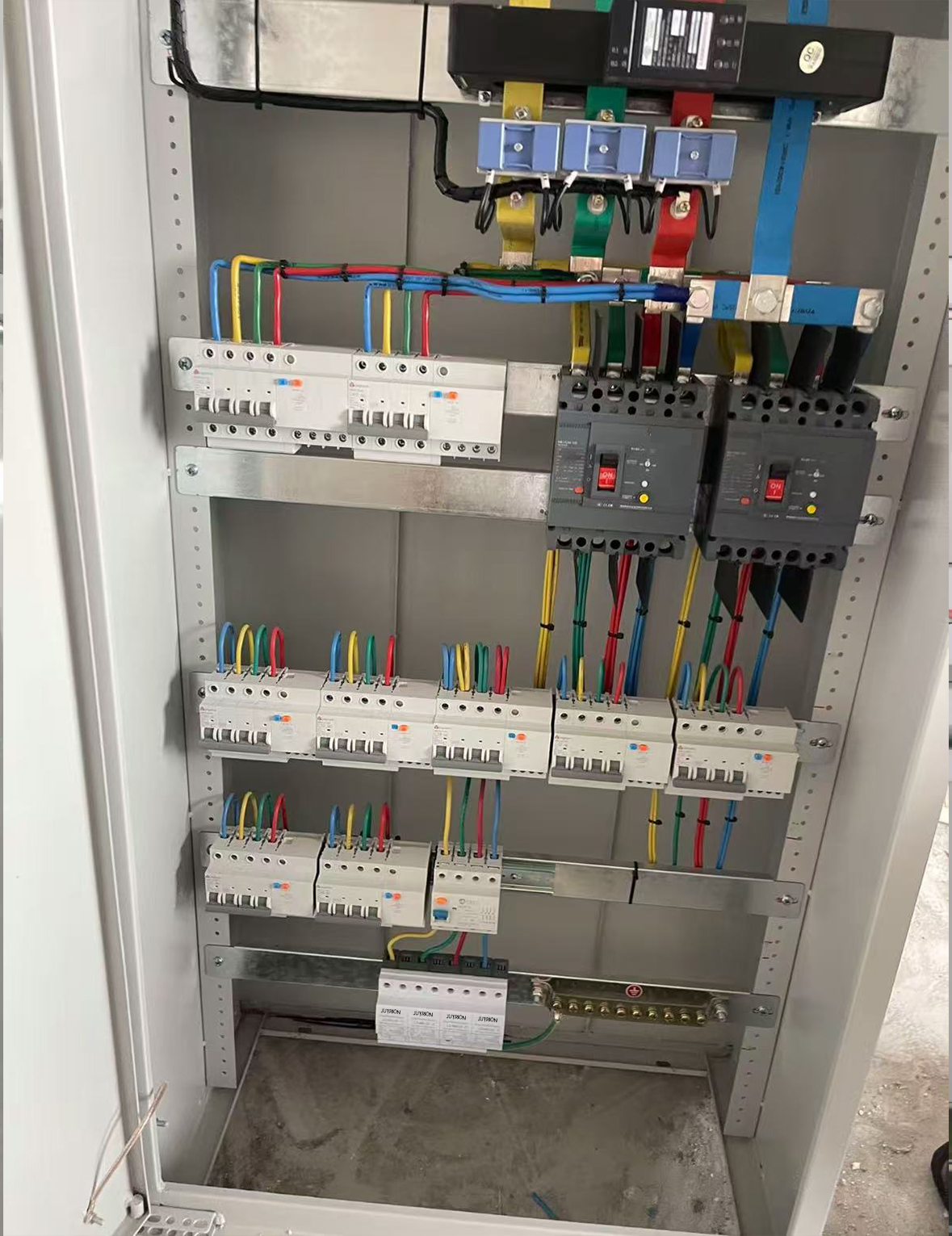
Type 1 SPD is generally installed in the main distribution box of buildings, power supply entrances, and industrial power distribution systems. Since Type 1 SPD needs to withstand large surge currents, when extreme high-voltage surges such as lightning strikes occur, it will quickly break down and conduct within a very short time to form a very low-impedance discharge path, releasing lightning currents of 10 kA or even 100 kA rapidly into the ground.
 |  |
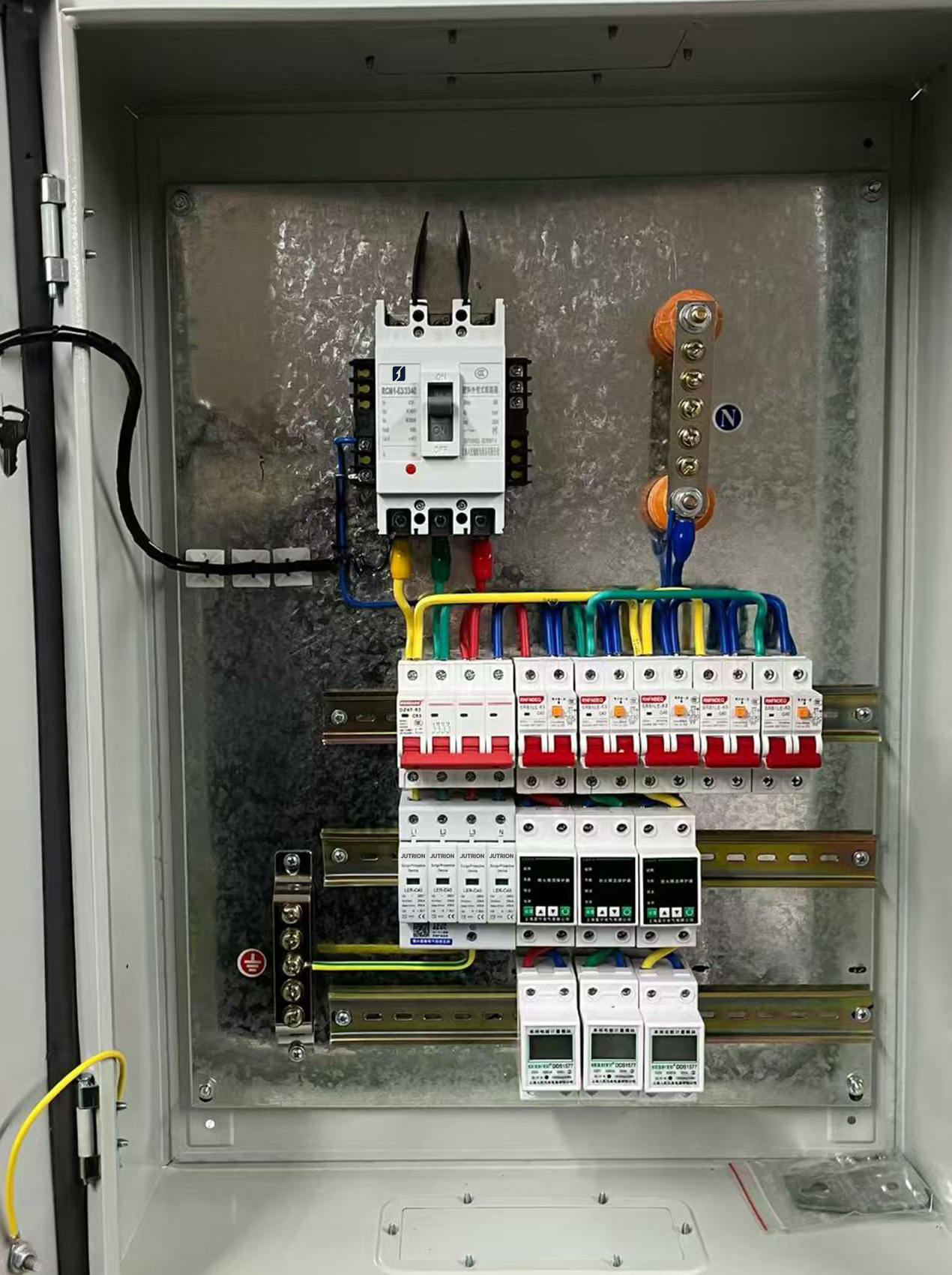
Type 2 SPD is generally installed in floor distribution boxes, sub-distribution boxes, or in front of important equipment. It is mainly used to discharge low-energy surges. When transient overvoltage exceeding its varistor threshold appears in the circuit, the internal varistor will conduct rapidly within nanoseconds, quickly discharging the remaining surge current into the ground and effectively protecting downstream electrical equipment.
 |
|
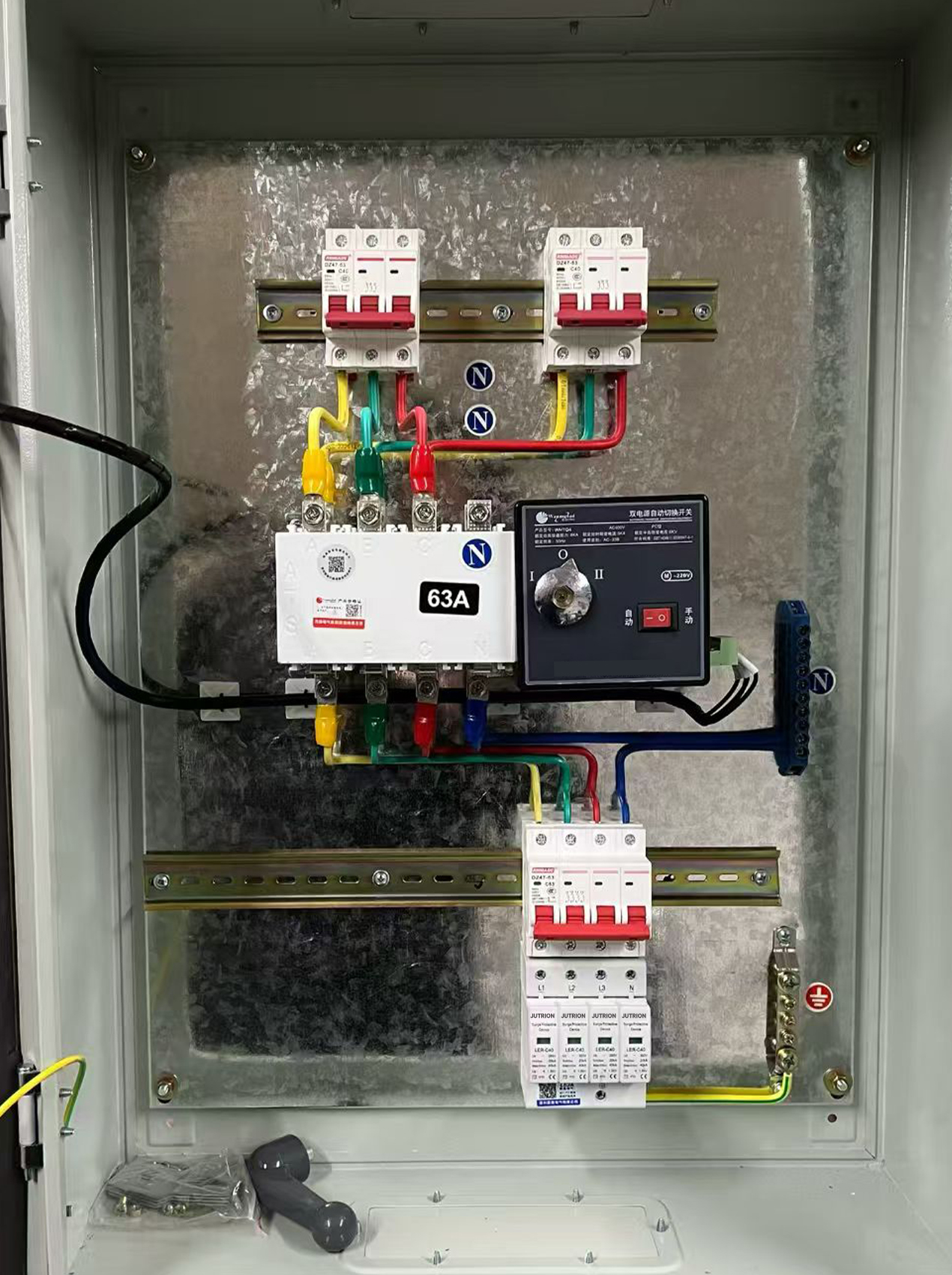
SPD Technical Specifications:
- Type 1 SPD Technical Specification
Parameter Name | Symbol | Description | Typical Value |
| Maximum Continuous Operating Voltage | Uc | The maximum working voltage that can be continuously applied | Three-phase: 385V / 440V |
| Nominal Discharge Current | In | Long-term withstand current under 8/20μs waveform 8/20μs | 50kA |
| Maximum Discharge Current | Imax | Maximum discharge current under 8/20μs waveform 8/20μs | 100kA |
Impulse Current (10/350μs) | limp | Lightning impulse current with 10/350μs waveform 10/350μs | 12.5kA / 25kA / 50kA |
| Voltage Protection Level | Up | Residual voltage limited after SPD operation | ≤2.5kV |
| Response Time | - | Time required for the SPD to start conducting | ≤25ns |
Protection Mode | - | Number of wiring phases | 3+NPE, 4P |
| Test Class | - | Lightning protection classification | T1 (Class I Test) |
- Type 2 SPD Technical Specification
Parameter Name
Symbol
Description
Typical Value
Rated Operating Voltage
Un
Nominal system voltage
Single-phase: 220V AC
Three-phase: 380/400V
Maximum Continuous Operating Voltage
Uc
Maximum voltage that SPD can withstand continuously
Single-phase: 275V / 320V / 385V
Three-phase: 385V / 420V / 440V
Nominal Discharge Current
In
Withstand capability under 8/20μs waveform, multiple surge capability 8/20μs
10kA / 20kA / 30kA / 40kA
Maximum Discharge Current
Imax
Maximum surge current under 8/20μs waveform 8/20μs
20kA / 40kA / 60kA / 80kA
Voltage Protection Level
Up
Limited voltage during surge operation (residual voltage)
≤1.5kV / ≤1.8kV / ≤2.0kV (@In)
Response Time
tA
SPD activation response time
≤25ns (nanosecond level)
Leakage Current
IL
Leakage current during normal operation
≤20 μA
Installation Method
-
Structure and installation type
35 mm standard DIN rail, plug-in module
Parameter Name | Symbol | Description | Typical Value |
Rated Operating Voltage | Un | Nominal system voltage | Single-phase: 220V AC Three-phase: 380/400V |
Maximum Continuous Operating Voltage | Uc | Maximum voltage that SPD can withstand continuously | Single-phase: 275V / 320V / 385V Three-phase: 385V / 420V / 440V |
Nominal Discharge Current | In | Withstand capability under 8/20μs waveform, multiple surge capability 8/20μs | 10kA / 20kA / 30kA / 40kA |
Maximum Discharge Current | Imax | Maximum surge current under 8/20μs waveform 8/20μs | 20kA / 40kA / 60kA / 80kA |
Voltage Protection Level | Up | Limited voltage during surge operation (residual voltage) | ≤1.5kV / ≤1.8kV / ≤2.0kV (@In) |
Response Time | tA | SPD activation response time | ≤25ns (nanosecond level) |
Leakage Current | IL | Leakage current during normal operation
| ≤20 μA |
Installation Method | - | Structure and installation type | 35 mm standard DIN rail, plug-in module |
Application Scenarios of Surge Protective Devices:
Application Scenarios of Surge Protective Devices
Commercial buildings and office facilities
Industrial control cabinets and automation systems
Data centers and communication equipment rooms
Solar photovoltaic power system
Application Scenarios of Surge Protective Devices
Commercial buildings and office facilities
Industrial control cabinets and automation systems
Data centers and communication equipment rooms
Solar photovoltaic power system
Surge protectors are products commonly used in modern power equipment. When transient overvoltage occurs in electrical equipment, the surge protector can quickly guide the voltage into the ground, thereby protecting distribution equipment, control equipment, and various downstream electrical devices, ensuring the safe and stable operation of the power system.
FAQs:
Q: Can a surge protective device be used independently?
A: Yes, a surge protective device can be used independently. It is typically installed in a power distribution system to protect electrical equipment from transient overvoltage.
Q: Does a surge protector need to be used with other devices?
A: It depends on the application environment. In some power systems, surge protective devices are used together with circuit breakers or fuses to provide more comprehensive protection.
Q: Can surge protective devices be customized?
A: Yes. We can provide customized solutions according to customer requirements, including electrical parameters, structural design, and branding. OEM and ODM services are available.
Q: Is the wiring of a surge protective device complicated?
A: No. The wiring of an SPD is relatively simple. It is usually installed in a distribution board or electrical cabinet according to electrical installation standards.
Q: How long is the service life of a surge protective device?
A: The service life depends on the operating environment and the number of surge events. Under normal conditions, a high-quality SPD can operate reliably for many years.
-
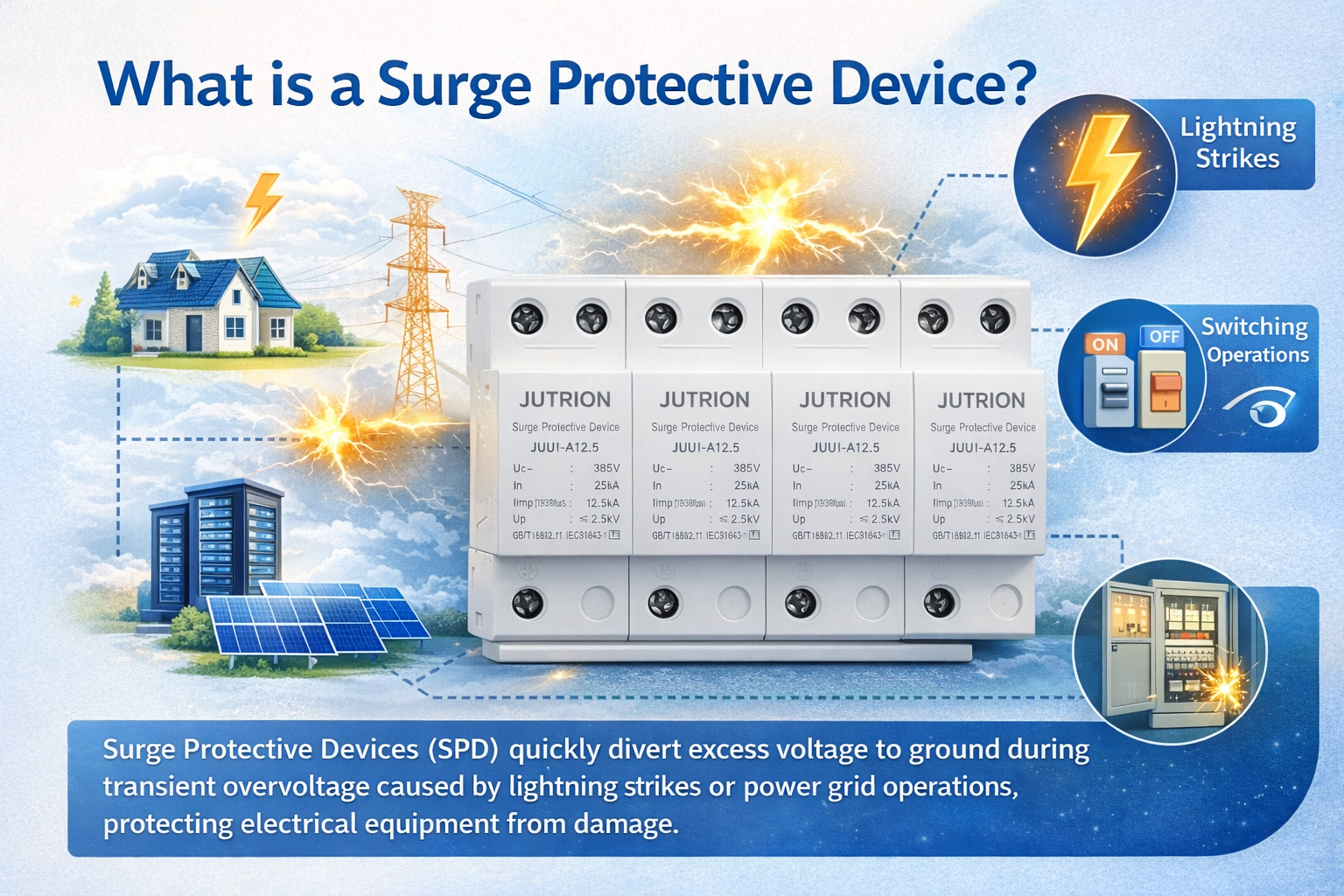
What Is a Surge Protective Device?
2025-10-29 11:05:09 -
How Can a Miniature Circuit Breaker Achieve Remote ON/OFF Control?
2025-12-29 11:05:09 -
How to Select the Right AC Contactor for Electrical Systems?
2026-01-29 20:26:49 -
What Is an Automatic Transfer Switch (ATS) and How to Select the Right One?
2025-11-02 11:05:09 -
What Is an Arc Fault Protection Device?
2026-03-18 00:00:24